For Parents
The Skills Your Child Learns at School Deserve a Place at Home Too
Peace of Mind gives parents the tools to extend social-emotional learning beyond the classroom. Access simple mindfulness activities, conversation starters, and resources to make teaching emotional regulation to kids a natural part of everyday family life.

What Peace of Mind Gives Your Child
Children who practice mindfulness and social-emotional learning at home are better equipped to handle life’s hard moments. Peace of Mind helps kids identify their emotions, navigate conflict, build empathy and kindness, and develop the emotional intelligence that supports them in every area of life.
When kids thrive emotionally, everything changes.
The Peace of Mind program makes a measurable difference. Students who engage with our curriculum report greater self-awareness, less anxiety, and stronger coping skills— changes that ripple far beyond the classroom and into everyday life at home.”
83%
of students reported a stronger understanding of mental health after using Peace of Mind resources.
71%
of students said they feel better equipped to manage stress and anxiety.
75%
of students reported improved ability to recognize and regulate their own emotions.
Storybooks
Stories That Make Big Feelings Feel Manageable
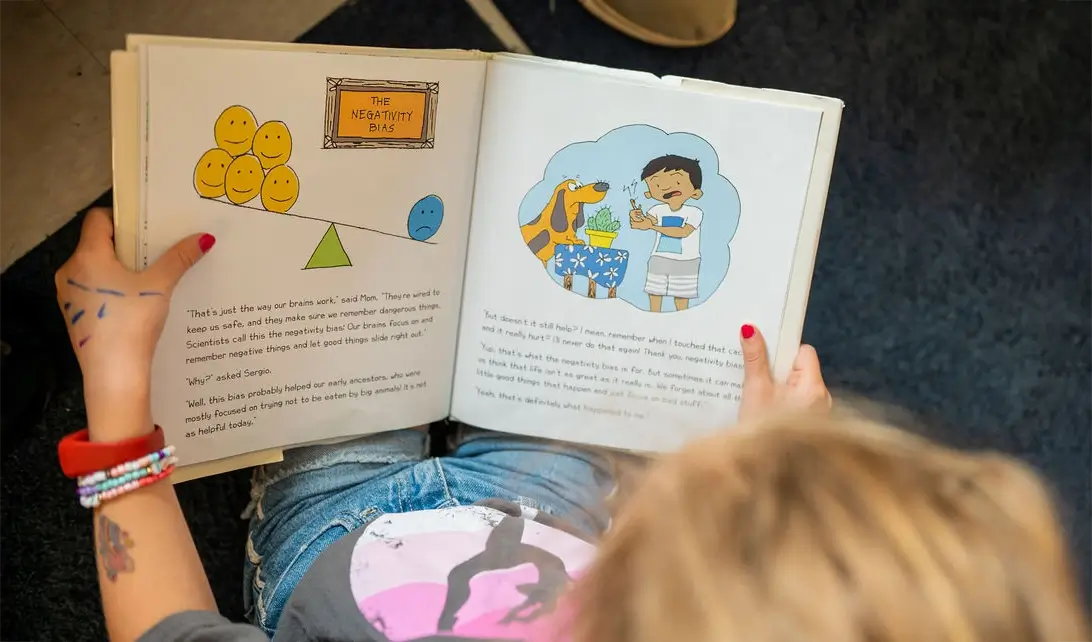
Peace of Mind storybooks bring the curriculum to life through diverse characters who look like them, face real challenges, and find their way through with kindness and courage. Each book is designed to spark conversation about emotions, brain science, gratitude, conflict, and more.

Video Library
Mindfulness Videos for Kids—Anytime, Anywhere
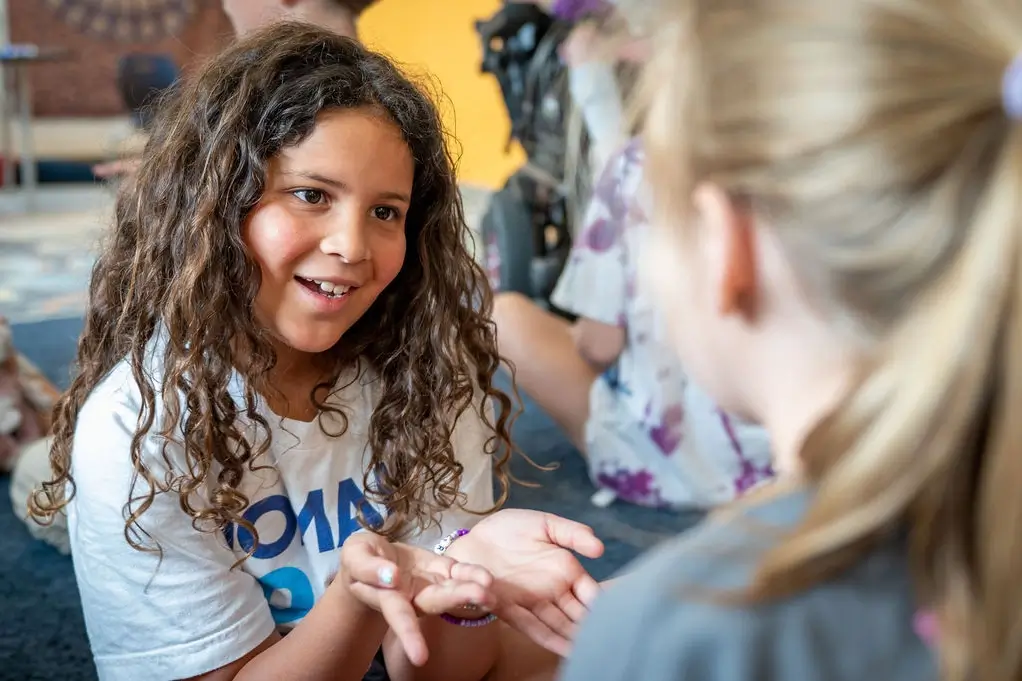
Looking for a quick way to bring mindfulness into your day? The Peace of Mind Video Library is full of short, engaging videos that guide kids through breathing practices, calming exercises, and SEL concepts in a format designed for short attention spans.
SEL Resources for Parents

Pomcast: The Peace of Mind Podcast
PoM-TV Kids YouTube Channel

Mindfulness for Adults, Your Practice Matters Too
Peace of Mind Community Events
Pomcast: The Peace of Mind Podcast
PoM-TV Kids YouTube Channel
Mindfulness for Adults, Your Practice Matters Too
Peace of Mind Community Events
Homeschooling With Peace of Mind
You don’t need a classroom to teach your child how to thrive. The Peace of Mind curriculum was built to be flexible and adaptable, and it fits beautifully into a home learning environment.
Our Homeschooling Guide gives families everything they need to get started, including:
Curricula are available from early childhood through Grade 8, with 32 lessons at each level that build on each other year after year. No prior mindfulness training needed — the materials are designed to be warm, accessible, and ready to use.
Not at Your Kid’s School Yet? You Can Change That.
Request Peace of Mind in your child’s school. Talk to your kid’s teacher, counselor, or principal about bringing our evidence-based program to your school community. We’re happy to support that conversation with information and resources.

Frequently Asked Questions
My child's school uses Peace of Mind. How can I support what they're learning at home?
The main way to engage with Peace of Mind at home is by reading one of the Peace of Mind storybooks.
Also, you can use the same language and practices your child is learning at school. Ask their teacher what skills they’re working on, then try practicing them together. Mindfulness activities for families include: a breathing exercise before bed, a feelings check-in at dinner. When home and school are aligned, kids make faster, deeper progress.
My child doesn't go to a Peace of Mind school. Can we still use these resources?
Yes! Many of our family resources, including the PoMTV Kids YouTube channel, and PomCast, are freely available to any family. Our Peace of Mind Storybooks are paid resources and can be found in our shop. If you’re looking for a more structured approach, our Homeschooling Guide is a great place to start.
How do I talk to my child about mindfulness without it feeling forced?
What ages is Peace of Mind designed for?
Our curriculum is designed for children from early childhood through Grade 8. Skills and concepts are introduced in age-appropriate ways at each level, so children can build on what they learn year after year.
My child struggles with big emotions. Will this help?
Many families tell us that Peace of Mind’s tools — learning to name feelings, understanding how the brain works, and using calming strategies — make a meaningful difference for kids who experience big emotions. Our resources to help your child with these situations directly are Marleigh’s Big Feelings Storybook, Rosie’s Brain, and several mindfulness videos on our YouTube channel.
How do I get Peace of Mind materials for our homeschool?
Reach out to us directly, and we’ll help you find the right fit for your child’s age and learning style. We’re happy to walk you through your options.
Have Questions? We’re Here.
Whether you’re exploring homeschooling, looking for the right resource, or want to understand what your child is learning, reach out. Our team would love to help.