Our Research
The Science Behind
Peace of Mind

What Peace of Mind Solves
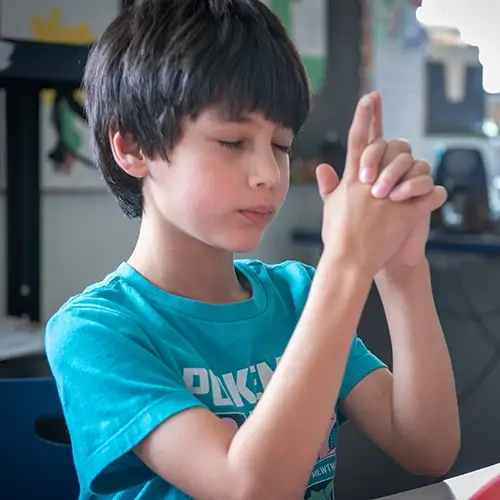
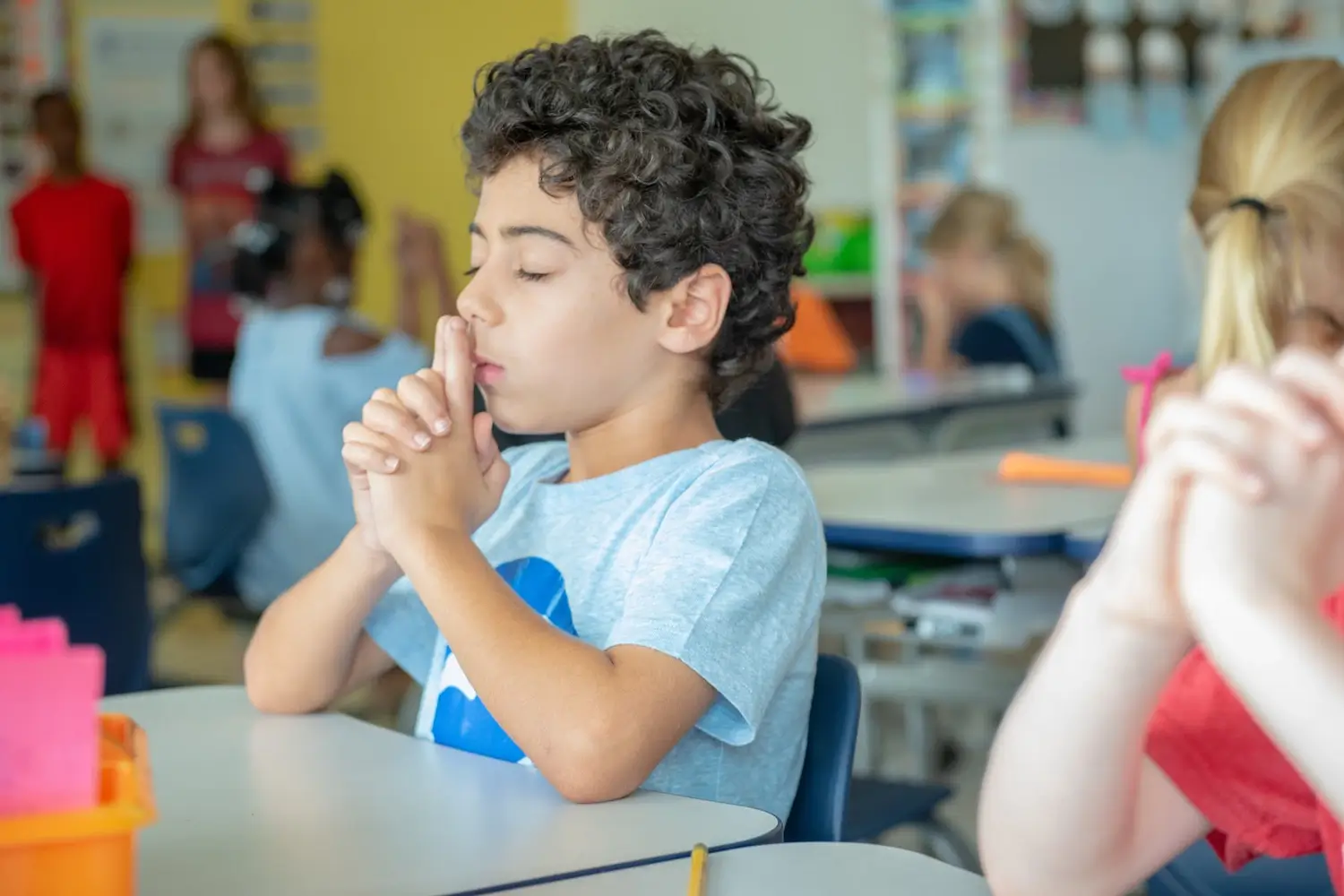
Too many students arrive at school carrying stress, conflict, and big emotions they don’t yet have the tools to manage. At the same time, teachers are being asked to meet students’ social and emotional needs without always having the support or training to do it well.
Peace of Mind bridges that gap — equipping educators with the tools to help students develop the skills they need to manage their own well-being and build healthier relationships.
Why Research Matters
We cut through the clutter by staying close to the evidence. The Peace of Mind Program draws on published research in child development, mindfulness-based interventions, and SEL — and we invest in ongoing evaluation so we know what’s working and what can be better.
Our Evaluation Tools
How We Measure What Matters
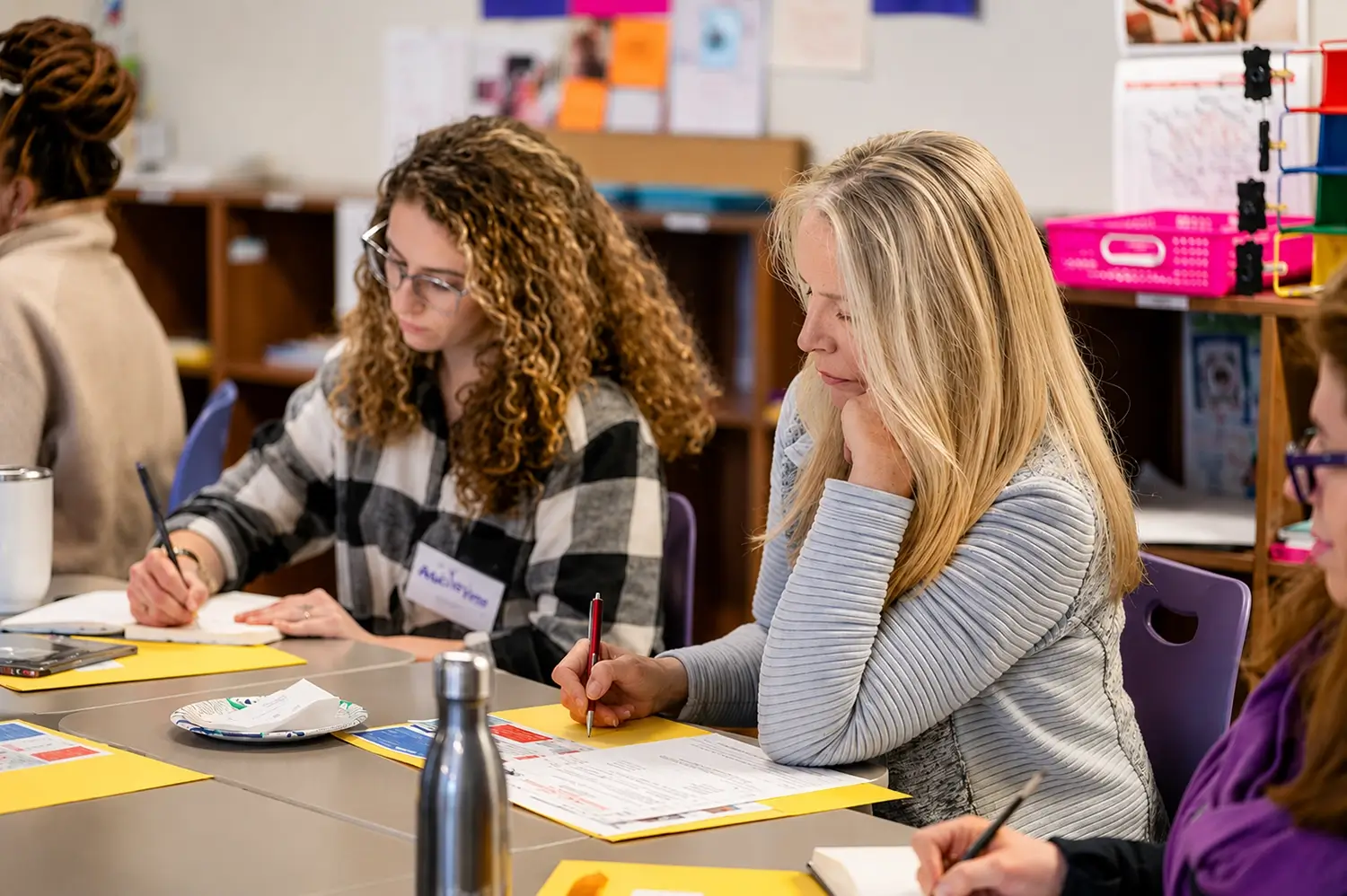
We use a mix of surveys, educator observations, student and adult focus groups, and student self-assessments to evaluate the Peace of Mind Program. Our evaluation process is designed to capture not just what students know, but how they feel, how they relate to others, and how they’re growing over time. Our focus groups are used to inform program creation and refinement.
What Peace of Mind Solves
Too many students arrive at school carrying stress, conflict, and big emotions they don’t yet have the tools to manage. At the same time, teachers are being asked to meet students’ social and emotional needs without always having the support or training to do it well.
Peace of Mind bridges that gap — equipping educators with the tools to help students develop the skills they need to manage their own well-being and build healthier relationships.

Why Research Matters
We cut through the clutter by staying close to the evidence. The Peace of Mind Program draws on published research in child development, mindfulness-based interventions, and SEL — and we invest in ongoing evaluation so we know what’s working and what can be better.
Our Evaluation Tools
How We Measure What Matters
We use a mix of surveys, educator observations, student and adult focus groups, and student self-assessments to evaluate the Peace of Mind Program. Our evaluation process is designed to capture not just what students know, but how they feel, how they relate to others, and how they’re growing over time. Our focus groups are used to inform program creation and refinement.
Results
What the Research and Evidence Shows
Reaching Students Who Need Support Most
Notably, students who were less regulated at the start of the year showed the greatest gains, suggesting the program has the strongest impact for the students who need it most.
(Source: Feagans Gould, 2018, internal Peace of Mind evaluation)
Whole-School Implementation Amplifies Results
Research on the Peace of Mind program found that schools taking a whole-school approach to implementation, where mindfulness becomes part of the shared culture, showed the most significant improvements in students’ behavioral regulation.
Schools with strong leadership support and higher levels of teacher training saw significantly greater gains than those with moderate implementation.
(Source: Schussler, Doyle Fosco & Brown, Journal of School Psychology, 2025)
Educators Implement With High Success Rates
The research also found that when educators had personal mindfulness practices of their own and felt familiar with the materials, implementation went more smoothly. That’s why Peace of Mind is designed to grow with you, offering practical scheduling guidance and ongoing support so the program fits into your school day without adding to your load.
(Source: Penn State survey, 2022)
Frequently Asked Questions
Is Peace of Mind evidence-based?
What does the research say about mindfulness in schools?
How does Peace of Mind evaluate its program?
Can I see Peace of Mind's research?
Yes. You can access our published research, internal evaluation summaries, and annual reports on this page and on our Annual Reports page.
Want to know more?
We’re happy to share more of our research, evaluation methods, or outcomes data. Reach out to our team. We love talking about our work. Contact Us